The Spiral Galaxy of Doekinshire has several smaller stellar neighborhoods and planetary systems that live within it's 40,000 light year radius, though the habitable zone of the galaxy is much smaller than even that. Doekinshire is recorded as Esotriu S2-Ci-3-22R3+42F4T1. This classification is based on the Classifying Galaxies and The Axial Alignment Scale documents found within the Worldscript Library Records.
Within this habitable zone there are a number of habitable star systems that live within various stellar neighborhoods, including that of Lefae and several others. There are still some being discovered into the modern day. Each star system has a varying number of planets within them, giving each a unique build and effecting whether they are habitable or not.
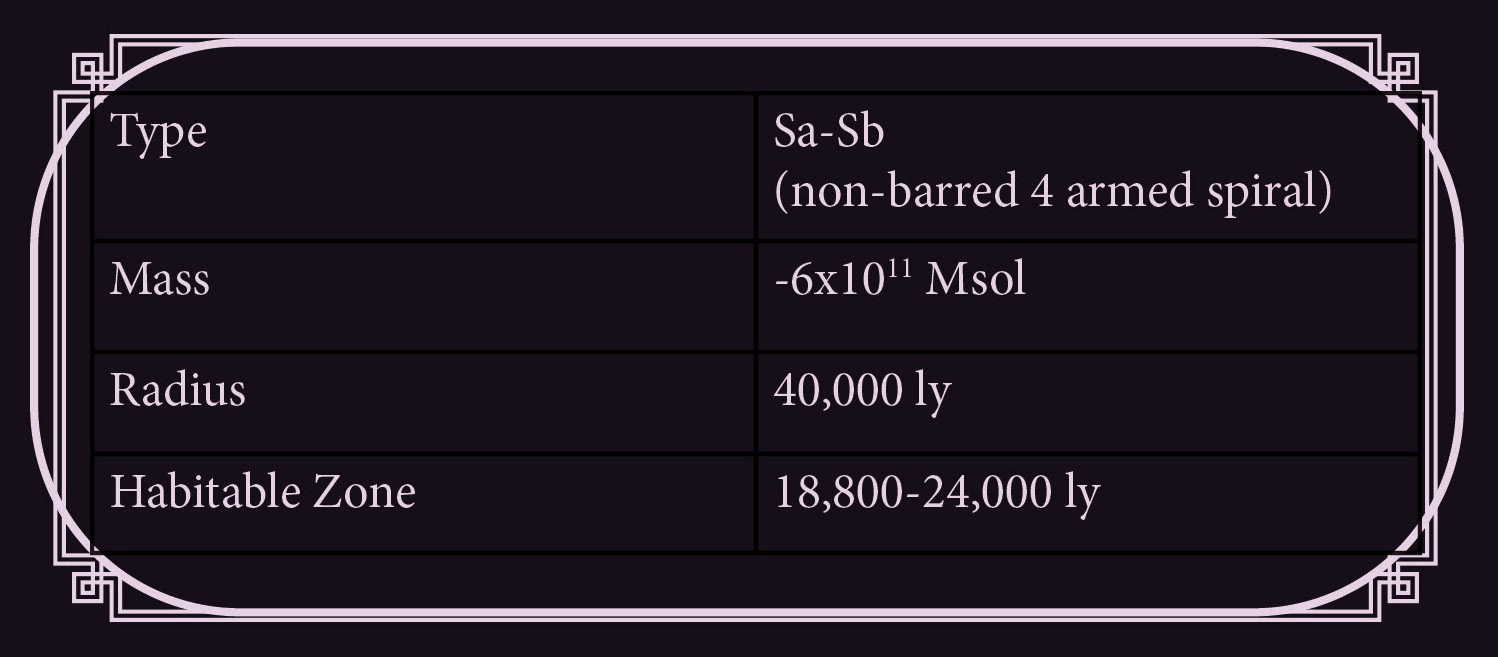
Table 1: Galactic Characteristics
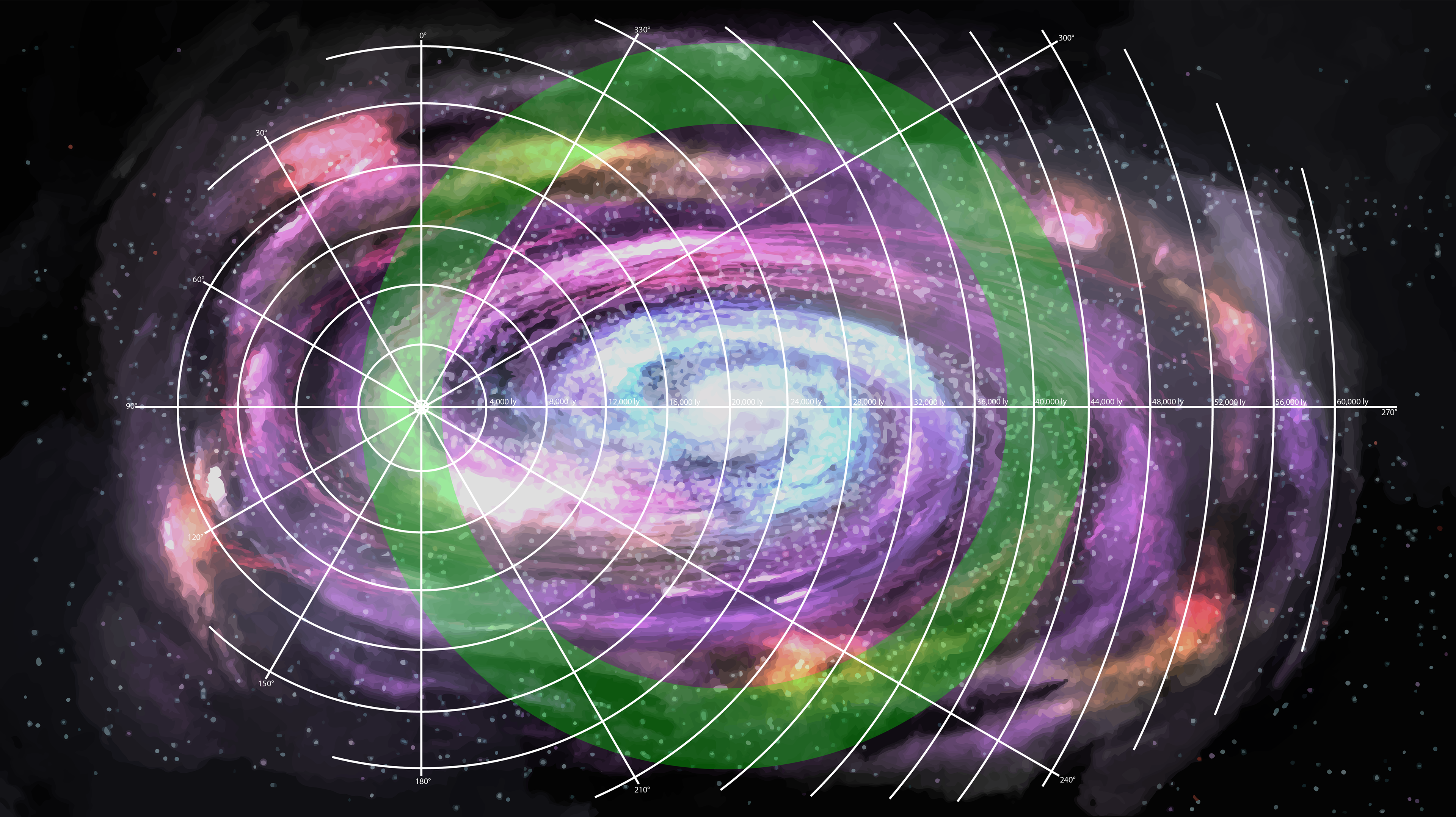
Fig 1: Doekinshire with the galactic Habitable Zone (green) and the two major arms visible. Circular Grid is centered on Sister Suns
In Doekinshire there are several arms of the galaxy, Aquila, Naleau, Sirch, and Vanta with one recorded spur known as the Capra Spur. The center of the Galaxy has been labeled as the Eye of the Mother, after the tale of "The Mother of Twin Prophets Who Became Stars" and the long-necked plesiosaur-like creature who is the center of the story.
The arms shape the galaxy in it's spiral that rotates around this central eye. This eye is denser than the rest of the Galaxy, the stars and space dust/debris disbursing the further that it gets from the core and arms of the galaxy, following a slow spin that has formed the arms over the course of the formation of the Galaxy. The parts of the galaxy are named after the characters in the original story as well as some constellations that are well known.
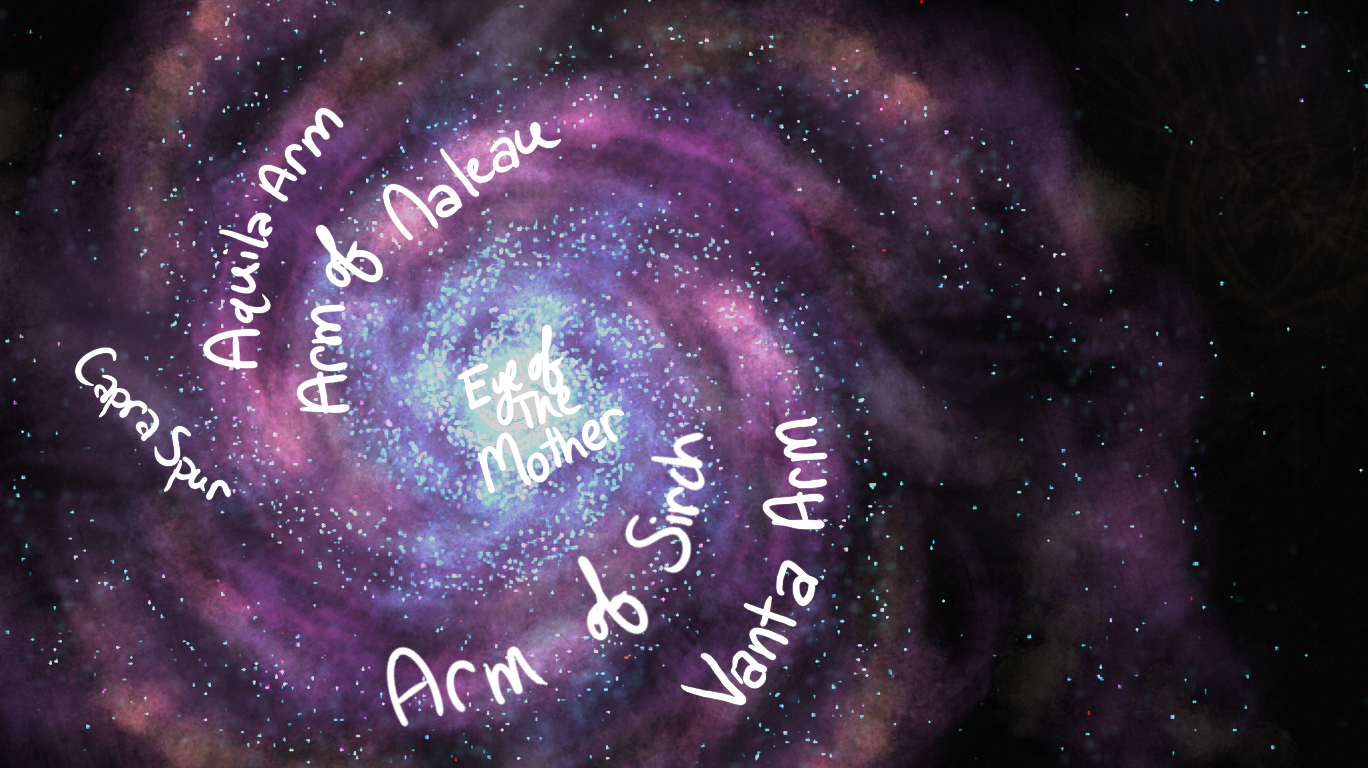
Fig 2: Labeled map of Doekinshire Galaxy
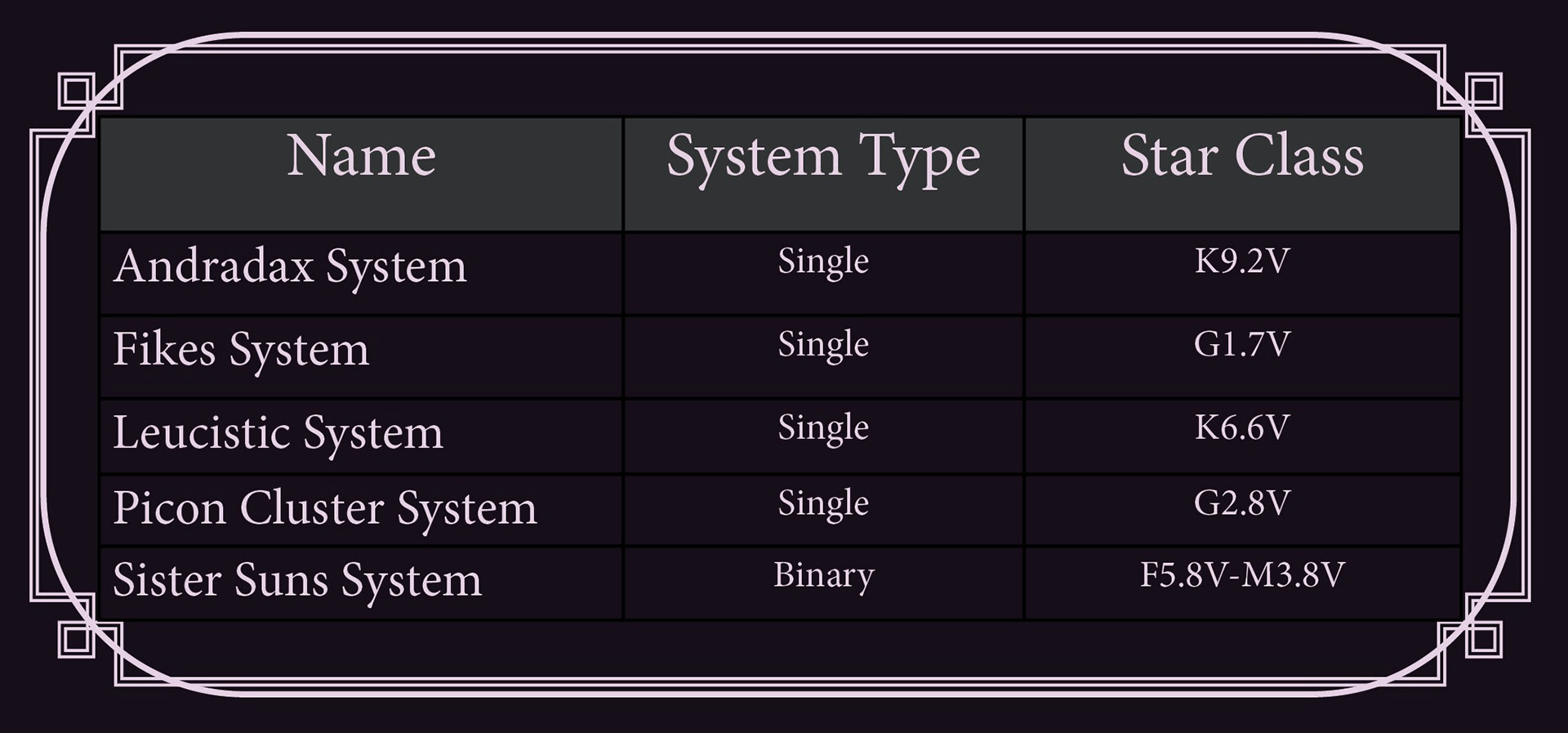
Table 2: Chart of the Five known habitable Star systems in Doekinshire
Throughout the Doekinshire Galaxy there are five total known habitable solar systems, each with a different set of central stars and varying numbers of planets. Their suns are all at different stages of their main star sequence and this heavily affects how the planets are situated in their own systems. This does not mean there are no other habitable systems, these are just the ones that have been found and documented, having previously been part of the Lost Portal system that was set up throughout Doekinshire Galaxy.
This system has long been out of commission with few records leading to the actual location of the portals themselves, evidence has them all over the galaxy just that many are now disconnected from the main portal system. For now the galaxy seems to be separated due to that loss.
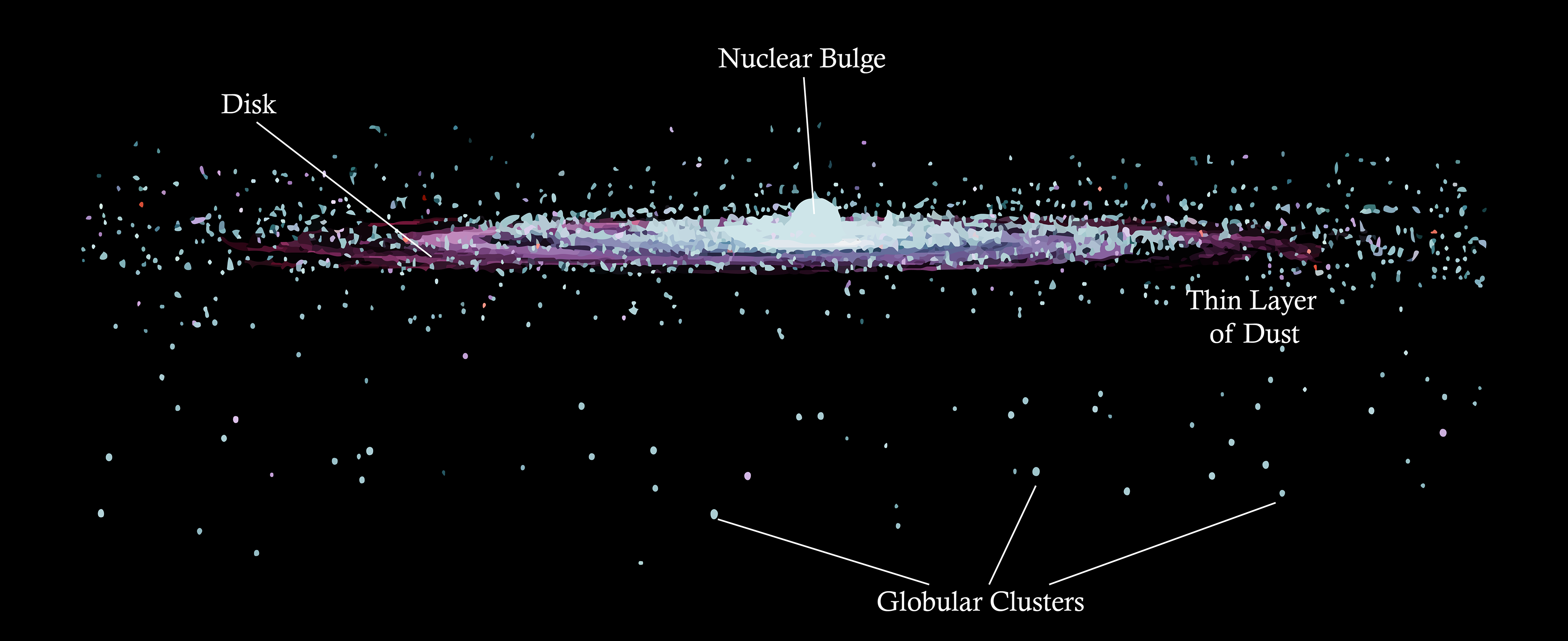
Fig 3: Side diagram of Doekinshire Galaxy
Stellar Neighborhood: Mithral
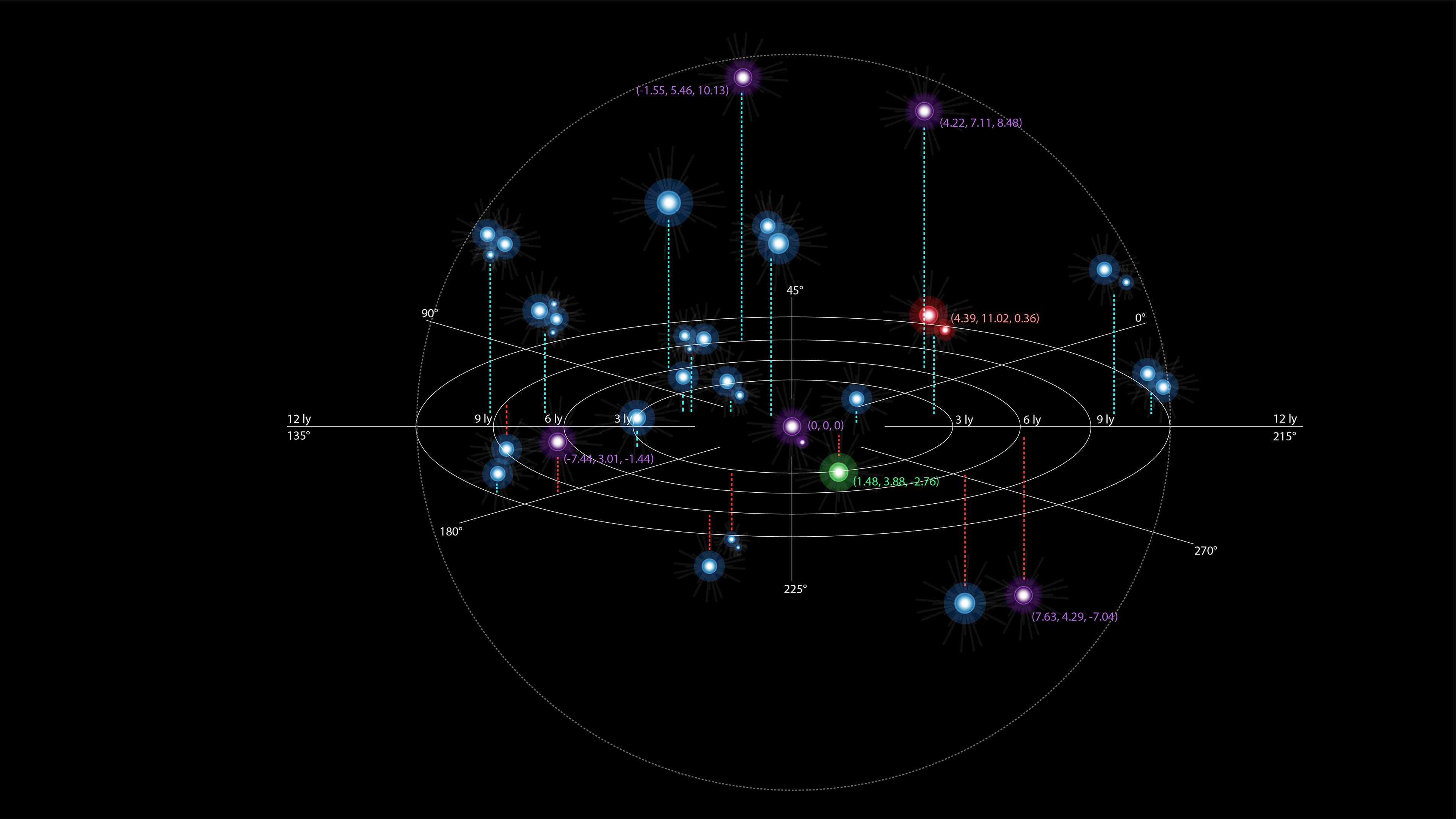
Fig 4: map of Mithral.
Purple is Habitable Systems
Red is furthest marked System
Green is Closest System
Blue is everything else
Within the Stellar Neighborhood of Mithral, there is a total of seventeen star systems, with the Sister Suns system at the center of Mithral.
The Sister Suns system being one of the eight Binary Systems as an eclipsing binary star system. This is why Sol’s orbit is so close to Rikta despite being the Inner orbiting limit before objects are torn to shreds.
This Planetary Neighborhood is located around 19,400 lightyears away from the core of the Doekinshire Spiral Galaxy just outside of one of the spiral arms within the galaxy’s “habitable zone”.
Out of the 22 stellar star systems that surround the Sister Suns systems the closes one is located 4.98 ly away from the suns Rikta and Sol and the system that sits the furthest from the binary star system is 11.87 ly away.
The other 20 stellar systems are located in the areas between these two points within the radius of the Stellar neighborhood. There is no further information on the contents of these Stellar Neighborhoods, though there is a nice distribution of star classes and stellar star systems.
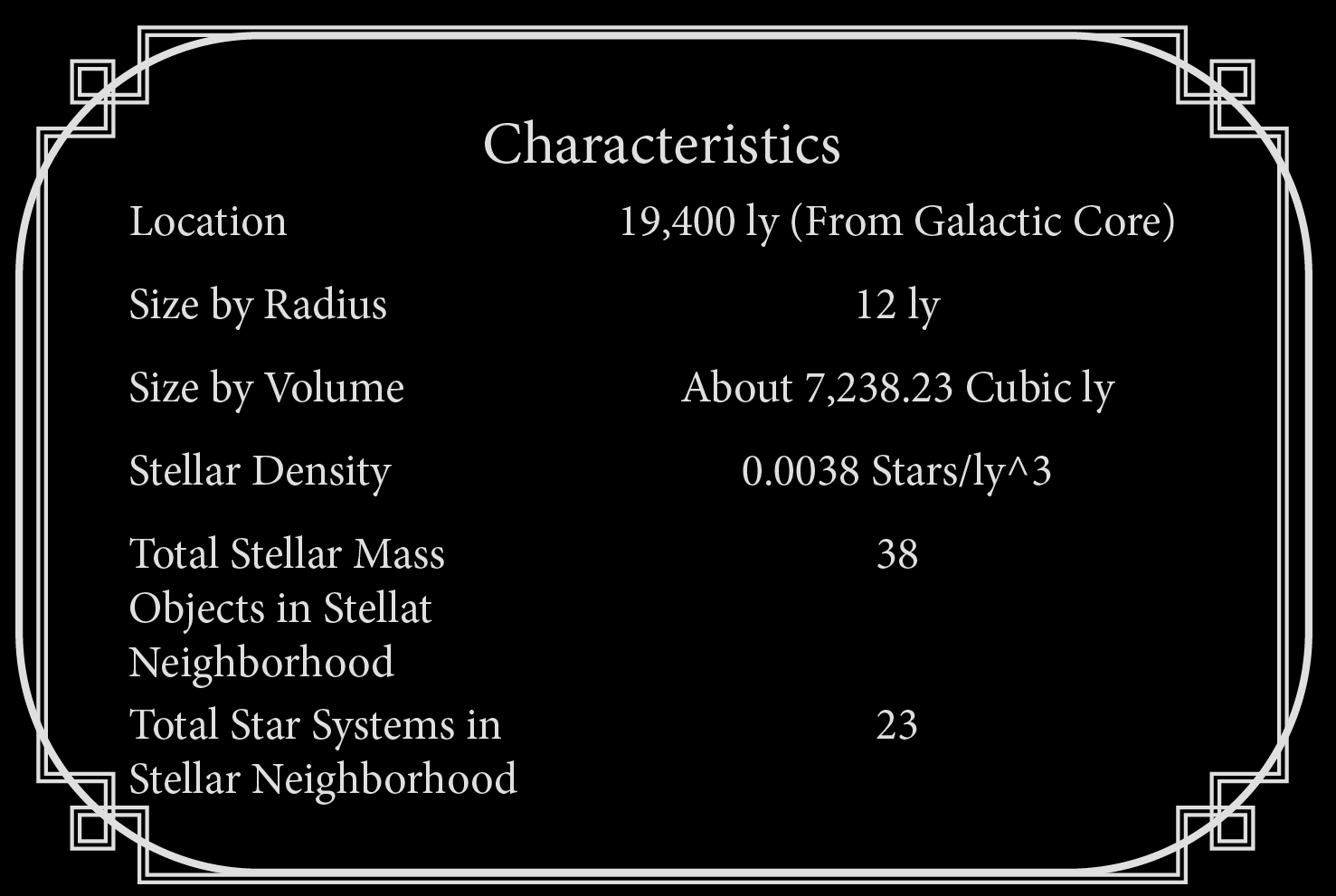
Table 3: Mithral Characteristics
All the stars that are part of this Neighborhood are of various types, and not all of them can sustain life in their individual planetary systems. Not all of them are even going to have a planetary system. Most of the stars within the system may have small dwarf planets, but most of the systems would be unable to sustain life
by themself. There is a large amount of objects that exist in the stellar neighborhood, all ranging from planetary bodies, main sequence stars, white and brown dwarf stars, and other objects with a stellar mass that exist throughout the Doekinshire Universe. These stars and objects all belong to different stellar systems within the other systems of the world. This is a way that they are further broken down. The Stellar neighborhood, known later on as Mithral to recordings of travelers who supposedly went between planetary Systems back when there was an established travel connection that has long since been lost with only fragmented text referencing it.
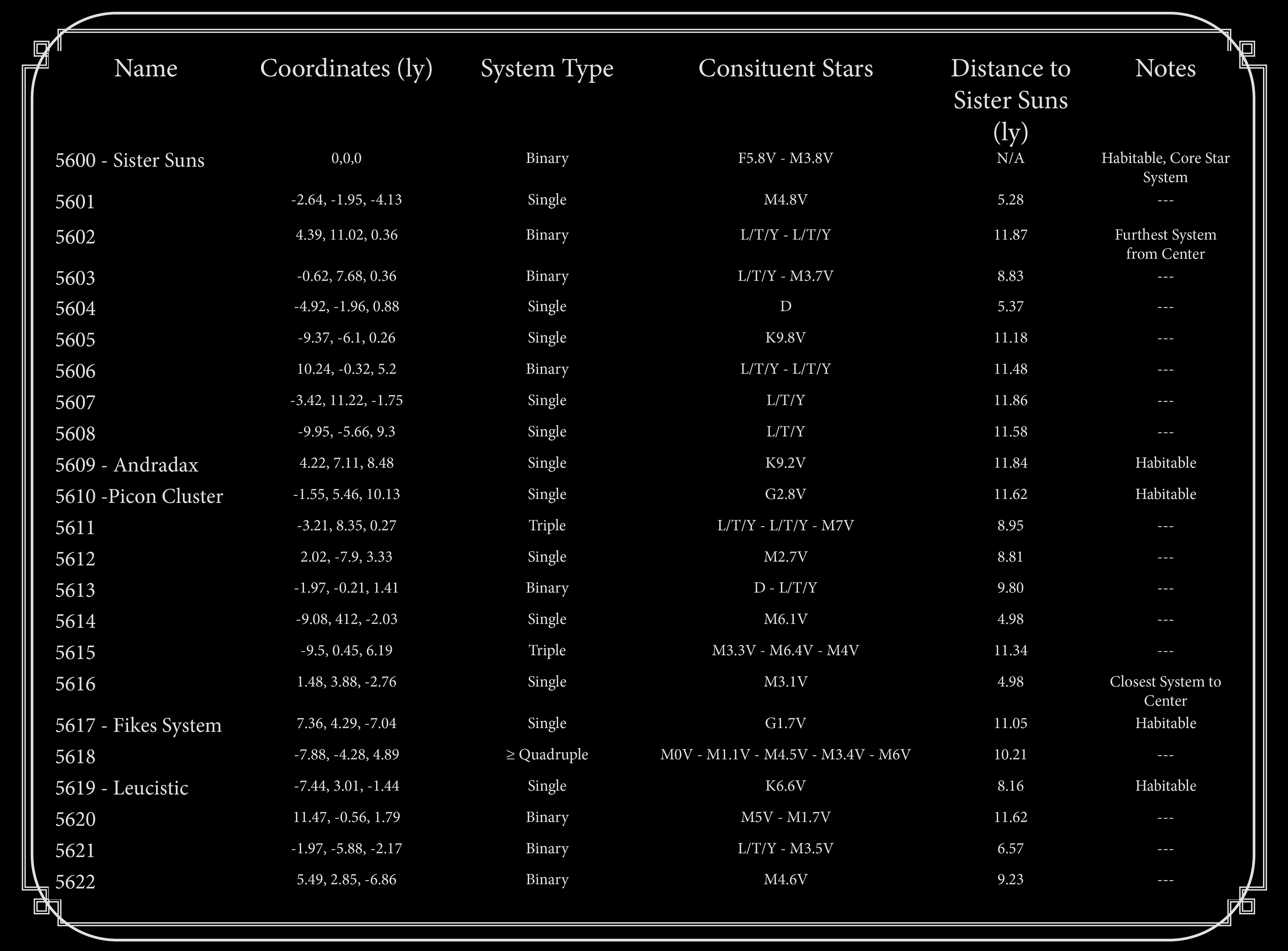
Table 4: Coordinates for Stars and Stellar Objects in Mithral
Stellar Populations Within the Neighborhood
Within the Mithral Neighborhood the stellar stars and objects are broken down into systems to make them easier to classify, counting the number of star system types down into the four main categories; single, binary, triple, and more than or equal to Quadruple star systems.
Main sequence stars make up most of Mithral, but out of those stars (25) only five of them are habitable planetary systems that can reliably sustain life. These systems are not the only ones within the Doekinshire Galaxy, but they are close enough that the star can possibly become part of constellations or the night sky view from the surfaces of those populated planets. These habitable systems are all single star systems except for the Sister Suns planetary system.
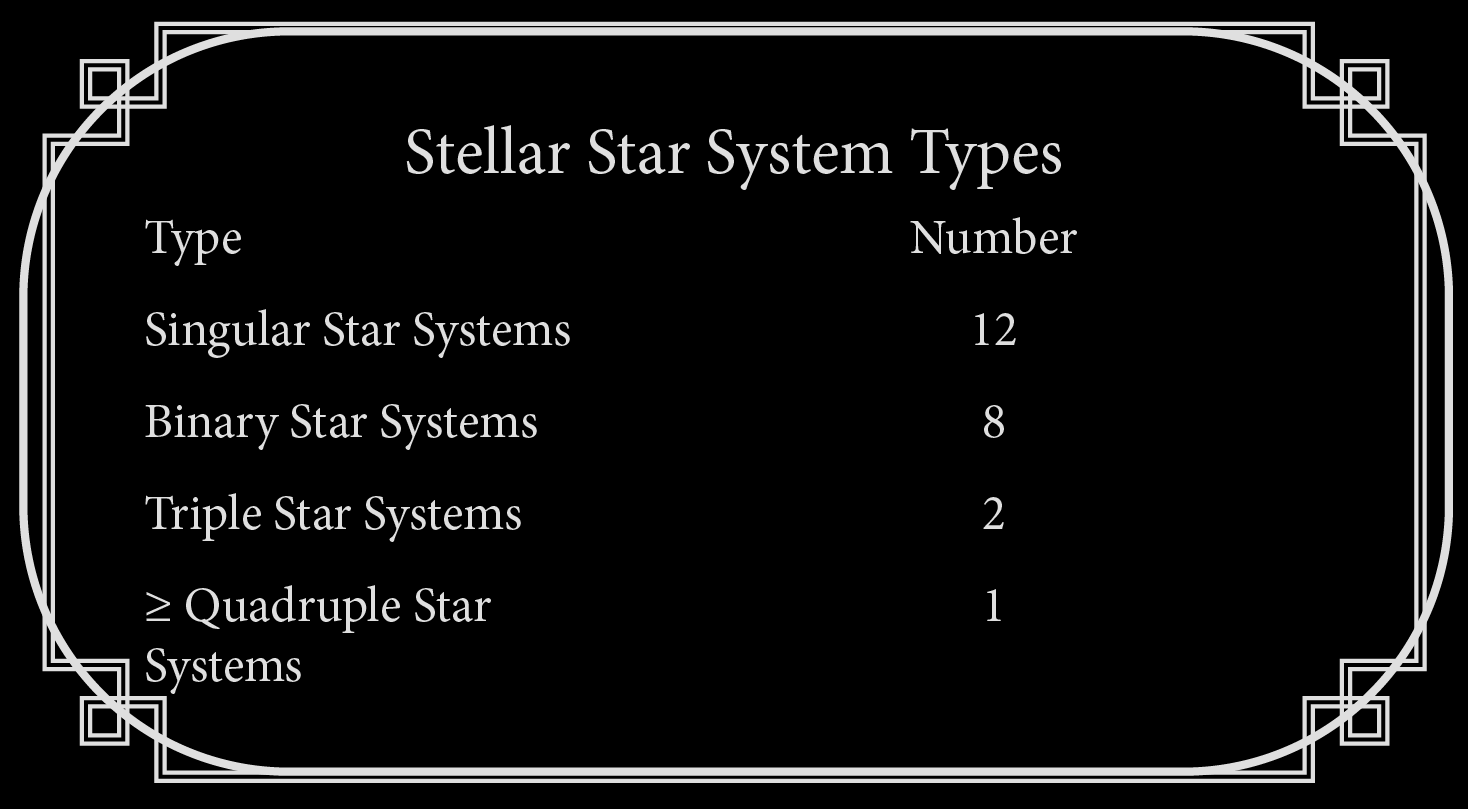
Table 5: Types of Star Systems
The most common star system present within this particular neighborhood is single star systems, which is normal for a spiral galaxy in this small of a context. The second highest system is a double star system, with these two categories making up around 87% of Mithral’s stellar systems.
There are 23 stellar systems in total, including that of the Sister Suns which is a binary star system. This means that there are two stars at the center instead of one. There are many formations that these binary star systems, but that means that the classifications are unique to each system when relevant. Several of the Systems that have been noted have been recorded at different levels of activity. Some with activity that reflects life developing on them. Others reflecting no life at all. Results have been skewed due to high activity of void-species in the galaxy and the neighborhood.
These stellar systems contain stars of various masses and classifications, with the largest population of stars being a main-sequence M class star, with it making up 50% of the population of the stellar mass objects within Mithral. The type of stellar mass object with the second largest population is brown dwarf stars, which are ones that will never developed the heat or mass to be able to really hold a planetary system and often are in their last faze of life.
The spread of the types of stars that are present within the neighborhood are mostly within their main sequence with some dwarf stars in the mix. There are no O, B, or A main sequence stars within Mithral with most of the stars being M main sequence and Brown Dwarf stars. These take up most of the star types, the rest being F, G, or K main sequence stars and White Dwarf stars.
Dwarf stars are ones that have left their main sequence phase and are on their way out of their life sequence, so these stars are often smaller or brighter.
The distribution of the objects within Mithral does not include any other objects with stellar mass, like black holes or nebulas. None developed within the neighborhood, so the rotations are fairly stable and neighborhood itself should be fairly stable as well.
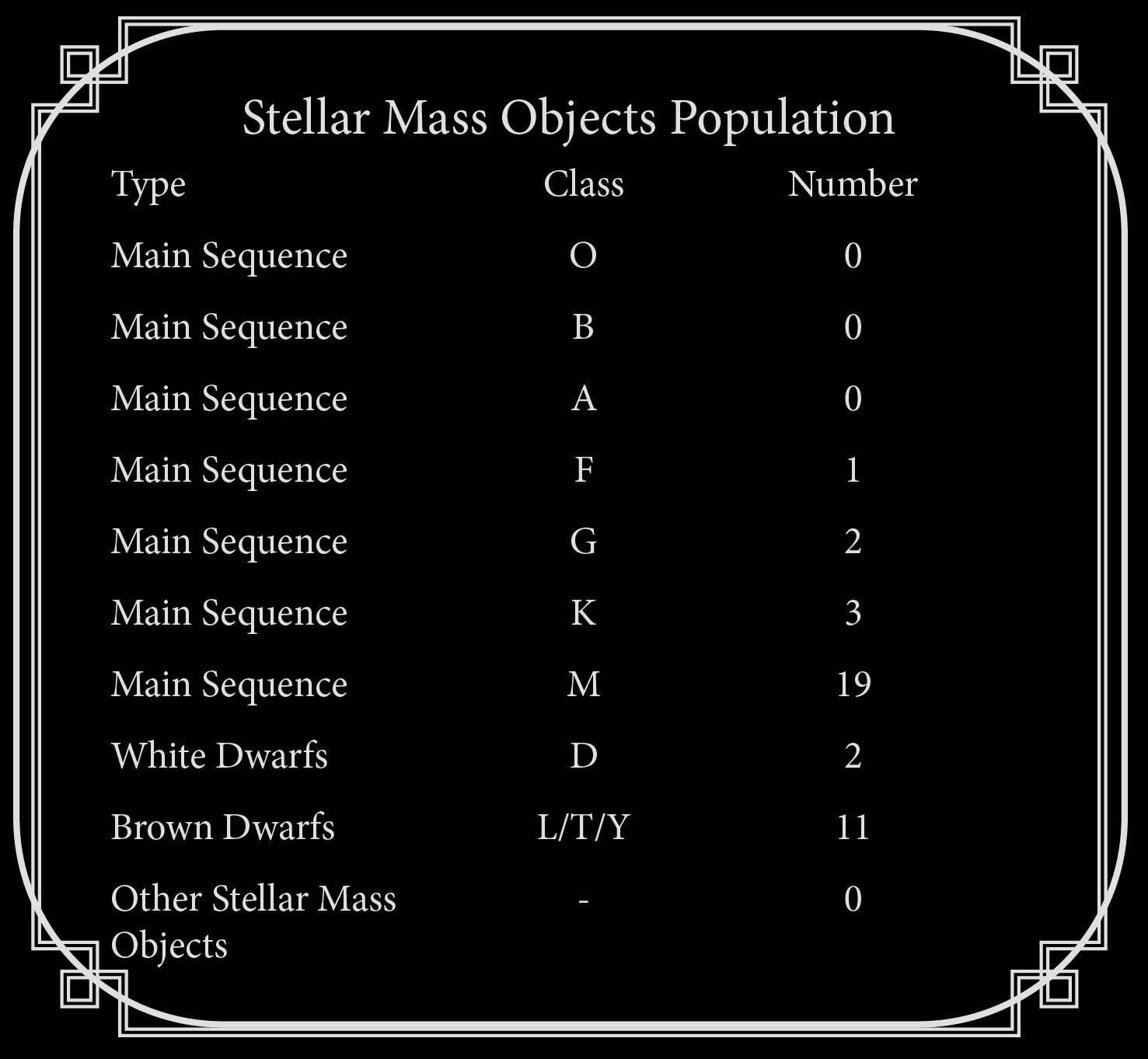
Table 6: Population of Stellar Mass Objects
This is due to single stars being more common for habitable planetary bodies with configurations that involve more than one star being unstainable for keeping life alive. This also means that systems with more than one star are more complex and often the factors don’t line up the way they need to or they are not stable systems. For this reason 80% of the habitable planetary systems within Mithral are single star systems, since they offer more sustainability for the planetary system. Most of Mithral’s stellar mass population (around 13.15%) is made up of stars that are incapable of sustain humanoid life with their mass and/or temperature. These main factors also cause other major factors of the stars to be incompatible with humanoid life such as that in the habitable planetary systems of Sister Suns, Andradax, The Picon Cluster, the Fikes System, and the Leucistic System.
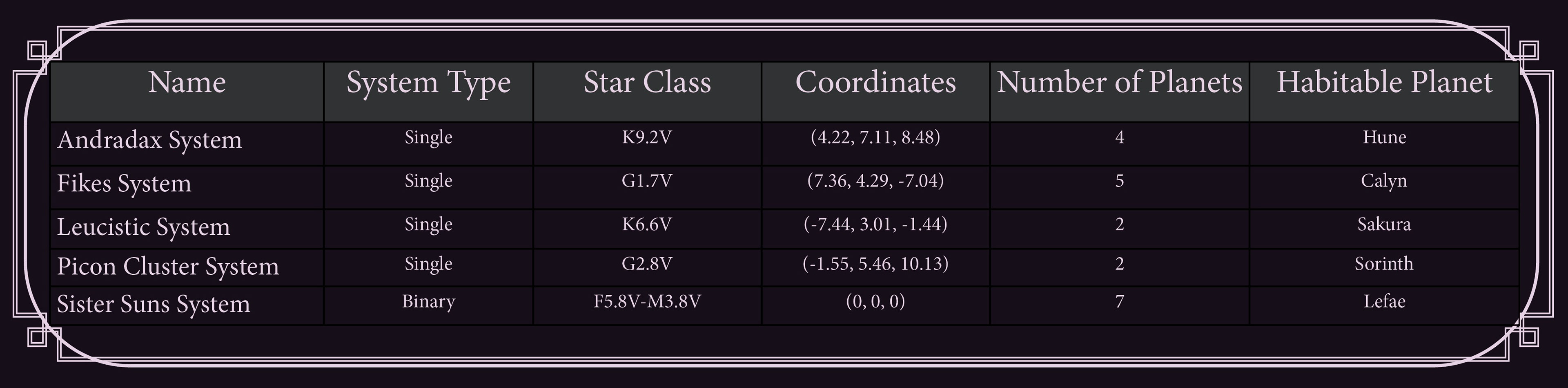
Table 7: Habitable Star Systems In Mithral With More Details